

How Jeffrey Epstein’s Shadow Network Reached Across a Continent
The story of the Epstein files is, in many ways, a story about what a democracy wants to hide and what it chooses to reveal about itself.
The scandal surrounding Jeffrey Epstein did not begin with his death in 2019, but years before, with allegations in the mid-2000s that powerful institutions had failed to hold him accountable. Epstein faced accusations of sexually abusing underage girls beginning in 2005, culminating in a controversial 2008 plea deal that allowed him to avoid federal prosecution. For many years after that conviction, questions persisted about how a financier with extensive connections to political leaders, business figures, and academics was able to maintain his influence despite the mounting evidence against him. Those questions resurfaced after his arrest in July 2019 and deepened strongly following his death in federal custody weeks later.
Much has been written about Epstein’s connections to the White House and Western elites, but far less attention has been paid to his activities related to the African continent. There, his dealings remain comparatively opaque. Yet within the recently released Epstein files, there are scattered references to African nations, including Uganda, Kenya, and Côte d’Ivoire, along with mentions of specific African presidents. These fragments, when read together, suggest a broader pattern of engagement. It is this lesser-examined dimension of Epstein’s network that this article seeks to explore.
How the Files Came to Be
Jeffrey Epstein was first criminally charged in 2005 after Palm Beach police received a complaint that he had been inappropriate with a 14-year-old girl. He pleaded guilty in 2008 to two state charges, which were soliciting prostitution and soliciting prostitution from a minor. He served thirteen months in a county jail under a controversial non-prosecution agreement brokered with federal prosecutors. A federal judge later described this deal as a violation of victims’ rights.
He was arrested again in July 2019 on federal sex trafficking charges and died in his Manhattan jail cell the following month in an apparent suicide. The circumstances surrounding his death have never ceased to generate controversy or conspiracy theories.
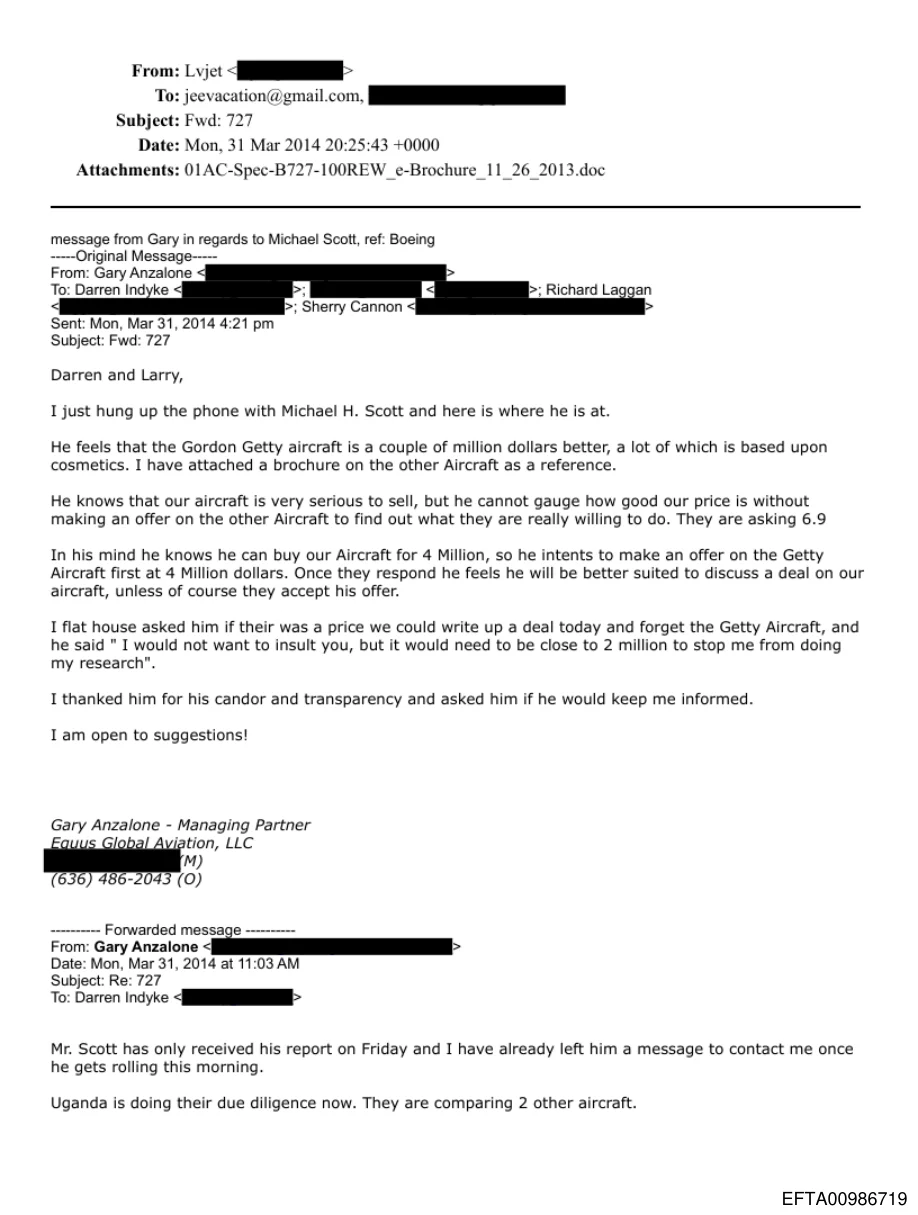
In the years after his death, millions of pages of FBI evidence, emails, flight logs, photographs, video recordings, financial records, and investigative memos sat in the bureau’s Sentinel case management system, largely inaccessible to the public. Survivors, journalists, and members of the U.S Congress had long demanded their release. The call grew louder in 2024 and 2025, as public pressure mounted and the political moment shifted.
During the 2024 presidential campaign, Donald Trump repeatedly promised to release the Epstein files if elected. He won in November 2024, but the files were released after the House of Representatives voted 427 to 1 to pass the Epstein Files Transparency Act in November 2025. The Senate passed it the same day via unanimous consent, and Trump signed it into law.